



How the Right Induction Motor Can Improve Production and Reduce Downtime

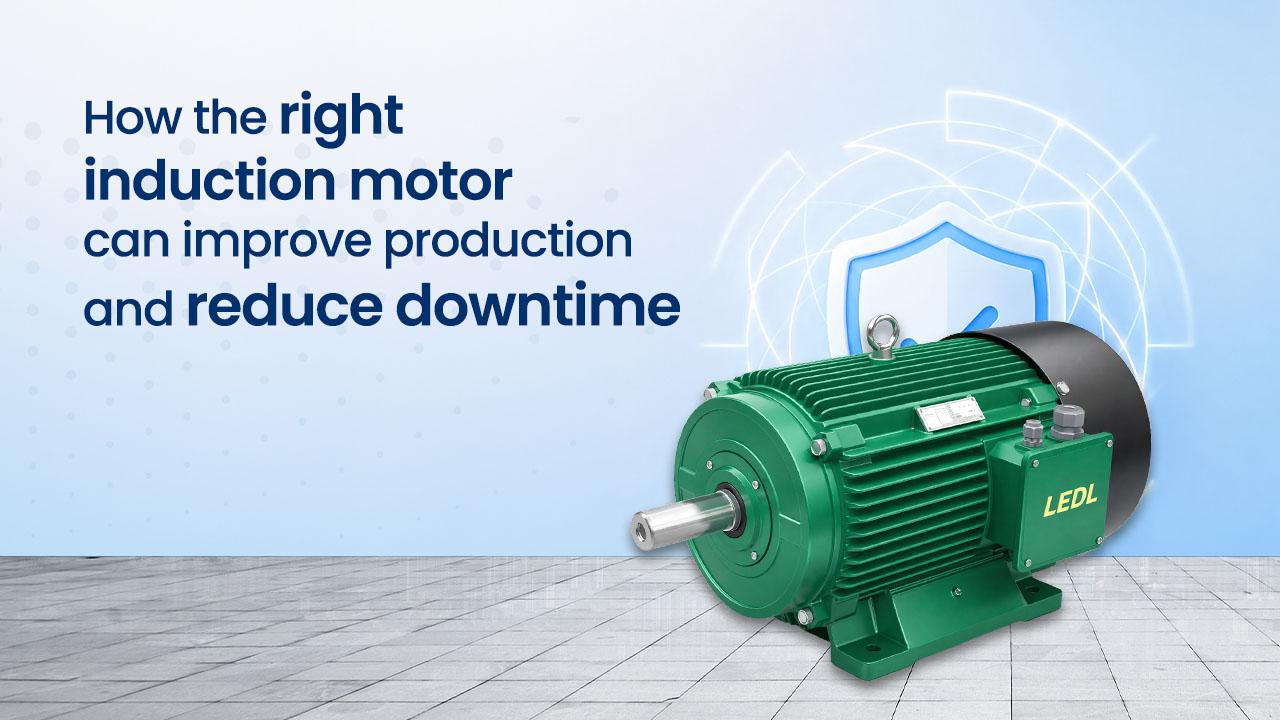
An induction motor is used in many types of industrial equipment, from pumps and compressors to conveyors and manufacturing machines. When the motor is well suited to the job, the equipment can run more smoothly and reliably. But when the wrong motor is selected, it can lead to overheating, frequent stoppages and unnecessary strain on the system.
This is why choosing the right induction motor matters. It is not only about buying a motor with the required power rating. The type of load, operating hours, speed requirements and working conditions can all affect how the motor performs. A suitable motor can support smoother production, while a poorly matched one may lead to interruptions that no industry wants to deal with.
How does an induction motor affect industrial production?
In many industrial setups, production depends on equipment running consistently. If a motor stops unexpectedly, the machine connected to it may stop too. This can interrupt a process, delay work and sometimes affect other parts of the production line.
An industrial induction motor needs to match the work it is expected to do. For example, a motor used for a conveyor may have different requirements from one running a pump or compressor.
The right motor can help equipment:
- Start and run as required for the application
- Handle the expected load without unnecessary strain
- Maintain suitable operating performance
- Support regular production schedules
- Reduce the chances of issues caused by incorrect motor selection
Of course, no motor can prevent every breakdown. Maintenance, installation and operating conditions also play an important role.
Which type of induction motor is right for your application?
There are different induction motor types, and the right choice depends on the equipment and how it will be used.
Some applications may require a single-phase motor, while others need a three phase induction motor for industrial operations. Motor capacity also needs to be considered carefully.
For smaller equipment, an induction motor 1 hp may be suitable. Larger machines may require a 3hp induction motor or a motor with a higher power rating.
Before selecting a motor, it is worth checking:
- The machine and the kind of work it needs to do
- The load the motor will be handling during operation
- How long the equipment is expected to run
- The speed and torque needed for the application
- The conditions in which the motor will be installed and operated
Looking at these requirements before making a purchase can help avoid problems later.
Why does motor sizing matter?
Choosing a larger motor does not always mean getting better performance.
A motor that is too small for the job may struggle with the load and face excessive stress. On the other hand, an oversized motor may not operate in the most suitable range for the application.
The aim is to choose a motor that matches the actual requirement of the equipment.
For example, an induction motor 1 hp should only be selected when the application’s power requirement supports it. Similarly, a 3hp induction motor should be chosen based on the load and operating conditions rather than simply selecting a higher rating.
Correct sizing can help the motor operate more effectively and reduce avoidable stress on the equipment.
How can induction motor efficiency affect operating costs?
A motor that runs for several hours every day continues to consume electricity throughout its working life. This makes induction motor efficiency an important factor, especially in industries with multiple motor-driven machines.
A high-efficiency induction motor is designed to reduce energy losses during operation. For equipment that runs regularly, even a small improvement in efficiency can make a difference over time.
The actual impact will depend on:
- How long the motor runs each day
- The load it operates under
- Electricity costs
- The efficiency of the existing motor
- The type of application
Energy efficiency should be considered along with performance requirements. A motor still needs to be suitable for the machine and its operating conditions.
What are common induction motor applications in industry?
Induction motor applications cover a wide range of industrial equipment. Their suitability depends on the motor type, capacity and operating requirements.
They are commonly used in:
- Pumps
- Fans and blowers
- Compressors
- Conveyors
- Material handling systems
- Manufacturing machines
- HVAC equipment
- Processing systems
Each application can place different demands on the motor. A conveyor carrying a changing load, for example, may need different characteristics from a motor operating a fan.
Understanding the application can make motor selection much easier.
Can the right induction motor help reduce downtime?
Unexpected downtime can happen for many reasons, including mechanical problems, electrical faults and maintenance issues. Motor selection is only one part of the picture, but choosing the right motor can help prevent problems caused by using equipment that does not match the application.
A suitable industrial induction motor should be selected based on the work it needs to perform.
This means looking beyond the power rating and understanding how the motor will actually be used. Factors such as load, operating hours and environmental conditions can all affect performance.
Regular maintenance matters too. Keeping the motor clean and checking it from time to time can help catch things like unusual noise or overheating before they turn into a bigger problem.
What should you look for when choosing an induction motor?
Motor selection becomes easier when you start with the application instead of the product.
Ask:
- The type of equipment the motor will be used with
- The load it needs to handle during regular operation
- How often and how long the equipment will run
- The speed and torque needed for the application
- The type of power supply available
- The conditions at the place where the motor will be installed
These questions can help narrow down the options and make it easier to choose a motor suited to the equipment.
LEDL Motor solutions are designed for different industrial requirements, but the final selection should always depend on the application’s actual needs.
Key Takeaway
The right induction motor is simply one that suits the job it needs to do. Choosing the right type, capacity and efficiency can help the equipment run without putting extra strain on the motor.
Whether you need an induction motor 1 hp, a 3hp induction motor or a three phase induction motor for industrial equipment, the starting point should always be understanding the application.
Quick Summary
An induction motor can affect both production and equipment reliability, which makes proper selection important. Factors such as motor capacity, load, speed, operating hours and installation conditions should all be considered before making a choice.
From everyday induction motor applications such as pumps and fans to larger manufacturing systems, the right motor can support smoother operation and help avoid downtime caused by incorrect motor selection.
Frequently Asked Questions
How does an induction motor reduce downtime?
A correctly selected induction motor can reduce problems caused by overloading or using a motor that does not suit the application.
What is the difference between an induction motor 1 hp and a 3hp induction motor?
The main difference is their power capacity, with the right choice depending on the load and requirements of the equipment.
Where are induction motors used?
Induction motors are used in equipment such as pumps, fans, compressors, conveyors and manufacturing machinery.
