



How Industrial Motors Manufacturers Are Improving Energy Efficiency

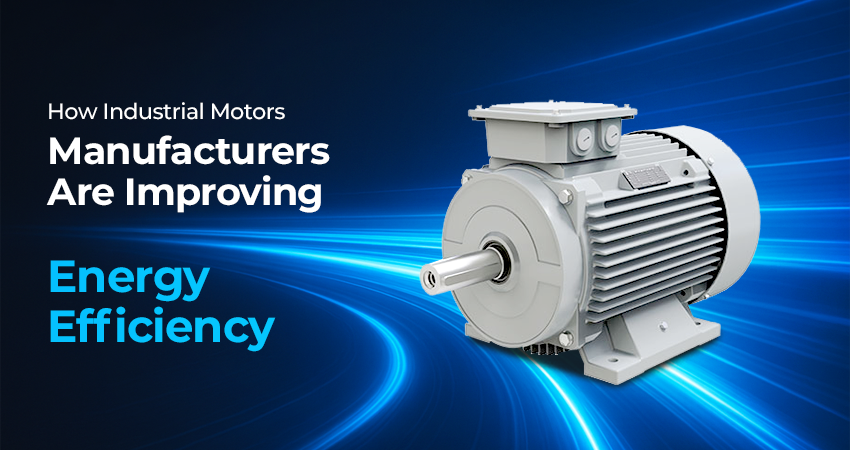
Electric motors are a critical component in the operations of numerous industries, whether they be for machines, pumps, compressors, or production lines. Because of the many hours electric motors run within an organisation, the majority of electricity consumed within the organisation is attributed to electric motors. This results in electric motor efficiency becoming a top priority for industries looking for ways to decrease energy consumption and costs associated with production.
In recent years, industrial motors have undergone significant technological improvements. These types of improvements can reduce the amount of electricity consumed to produce a given quantity of product and help provide reliable performance through some of the most challenging operating environments.
Why Energy Efficiency Matters in Industrial Motors
Energy efficiency is becoming a focal point in how businesses qualify and use these motors. Electric motors are responsible for many critical processes in creating products being manufactured, including driving conveyors or with pumping water/air for air to use as parts of production processes. Given the fact that many industrial electric motors operate continuously, even minor improvements amount to significant savings.
Electric motors have three main types of waste; heat, friction, and resistance to magnetic fields. Manufacturers hence focus on ways of designing that minimise losses. Higher material grades, upgraded rotor and stator designs, and accurate manufacturing allows these motors to work with less wasted energy. Efficiency is also important for environmental impact as countries introduce norms to promote reduced electricity consumption.
Design Innovations Helping Motors Improve Efficiency
Industrial motors manufacturers are increasing efficiency by refining motor design. The advancement of modern motors has improved efficiency due to better magnetic materials and winding techniques that minimize electrical losses occurring within the motor.
Rotors have also changed greatly in design, with optimised rotor geometry increasing torque performance and decreasing energy loss on many motors. Manufacturers can also design airflow and cooling systems to help prevent overheating and provide stable operation of the motor when operated continuously.
Manufacturing has also produced many improvements in motor efficiency. Precision machine tooling and automated winding technologies enable motor manufacturers to achieve consistently high quality and tighter tolerances which provide a smoother and more efficient motor.
The Role of IE2 Industrial Motors in Energy Efficiency
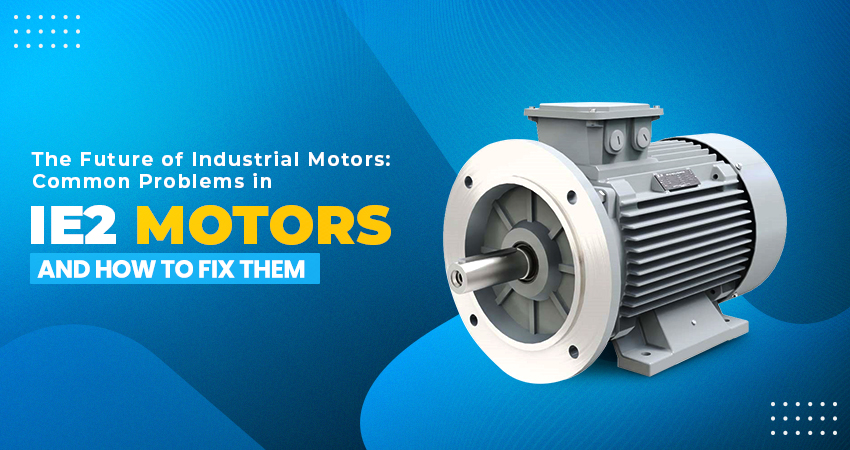
Efficiency rating systems have become an integral part of designing and selecting motors, such as the IE2 industrial motors which is widely used as an improved energy efficient alternative to previous standard motors.
These motors are constructed to decrease magnetic losses by way of optimised magnetic circuits, better construction methods of the rotor, and an improved cooling system. All three areas of improvement allow for a mechanical output to be produced whilst using a lesser amount of electrical energy to do so.
A further benefit of IE2 motors is that they are designed to work with today’s control systems, including variable frequency drives (VFDs), enabling an industry to adjust the motor speed to match the load demand and, in addition, maximise energy efficiency.
How We Design Energy-Efficient Motors
At LEDL, we are committed to providing industrial motor solutions that will enhance operational efficiency and decrease energy consumption. Our motors offering consist of high efficiency motors that can be relied on to perform in challenging industrial settings, such as for pumps, compressors, conveyors, and manufacturing equipment.
As one of the leading manufacturers developing higher efficiency standards, we employ optimised rotor designs, precision stator windings, and cutting-edge cooling technologies that will improve efficiency by decreasing electrical losses in our products. Within our suite of energy efficient motors are ie2 industrial motors that can help industries find dependable ways to operate while achieving higher power efficiency.
Our focus also emphasises delivering motors that perform reliably under varying loads and provide longevity and reliability. By applying effective motor design principles along with compatibility to certain monitoring and control technologies, we are striving to enable industries to operate their systems more efficiently while continuing to provide reliable daily performance.
FAQ's
Yes. Industrial Motors can experience decreased effectiveness if they are used at low utilisation rates. This is why having the appropriate size of the Industrial Motor and using the correct speed control is important.
Under what conditions should manufacturers replace existing motors that are low RPM with IE2 motors?
Replacing existing motors with IE2 motors is justified if the motors are using too much energy or are frequently requiring maintenance.
Quality cooling devices enable these motors to remain economical during use by reducing losses due to heat and keeping performance consistent.
Yes. Since IE2 motors have been engineered to reduce electricity consumed through electrical loss; over time you will save on electrical costs.
