



Energy Efficiency Is No Longer Optional for Modern Manufacturing Plants

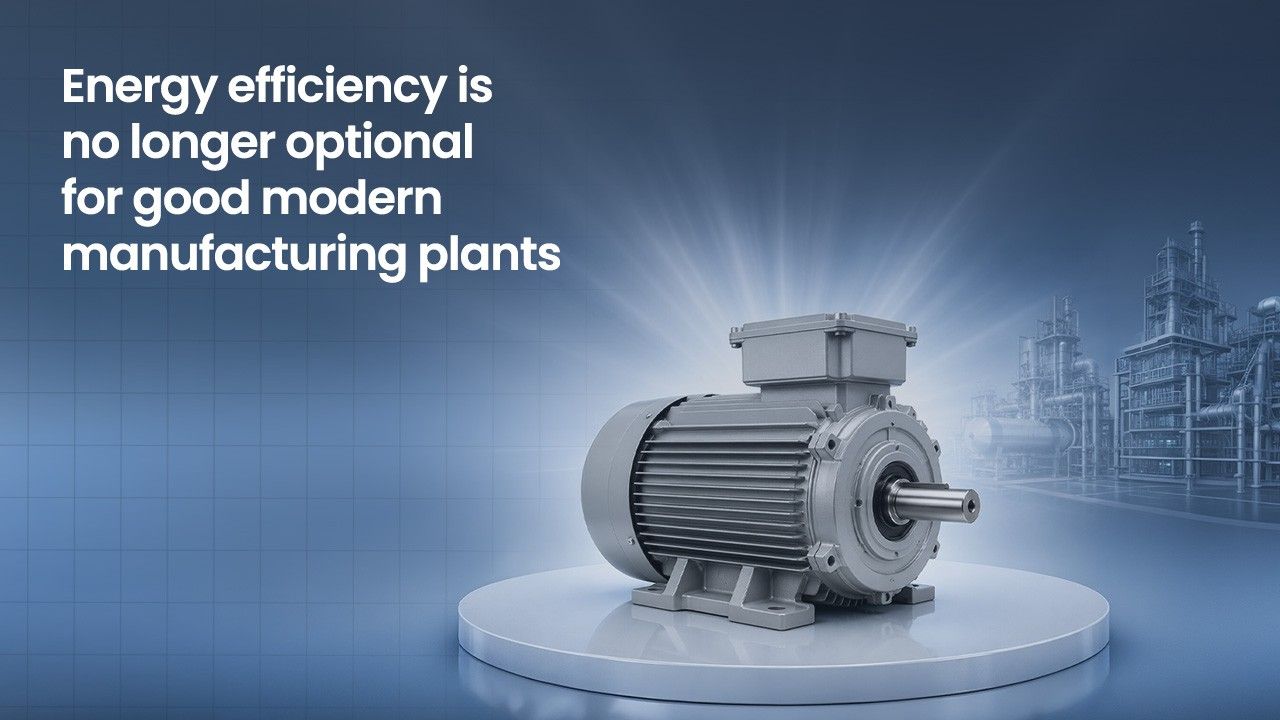
Manufacturing plants need a steady supply of energy to keep machines, equipment and production lines running. But as operations grow, so does the amount of electricity being used every day. A machine running for a few extra hours, an inefficient motor or equipment that is not properly maintained can all add to the overall energy bill. This is why energy efficiency is becoming an important part of how modern manufacturing plants operate.
The focus is no longer only on keeping production running. Manufacturers are also looking at how much energy is being used and where it can be reduced without affecting output.
Why is energy efficiency important in manufacturing?
A manufacturing plant can have several systems running at the same time. Motors, pumps, compressors, fans, lighting and other equipment all contribute to overall energy consumption.
When energy use goes up, operating costs can rise with it. For a growing business, this can become difficult to ignore.
Improving industrial energy efficiency does not have to begin with a major overhaul. It can start by looking at which equipment is using the most electricity and whether all that energy is actually needed.
For example, a motor that runs almost all day may have a greater impact on electricity costs than equipment that is only used occasionally. Looking at actual usage can help identify where changes may make the most difference.
How can manufacturing plants reduce energy consumption?
There is no single way to reduce energy consumption. Every plant has different equipment, production schedules and operating requirements.
A good place to start is by looking at where energy is being used.
Some practical areas to review include:
- Machines that run for long hours every day
- Older equipment that may be using more power than necessary
- Motors and systems that operate continuously
- Equipment that is running even when it is not needed
- Production areas with unusually high electricity consumption
This kind of review can help businesses understand where energy is going before deciding what needs to change.
How do energy saving motors help improve industrial energy efficiency?
Electric motors are used across many parts of a manufacturing plant. They power equipment such as pumps, fans, compressors, conveyors and processing machinery.
Since some motors run for long hours, even a small difference in efficiency can become more noticeable over time.
Energy saving motors are designed to reduce energy losses during operation. More of the electricity supplied to the motor can then be used to run the equipment.
The impact will depend on how the motor is used. A motor that operates occasionally may not offer the same savings opportunity as one that runs across multiple shifts.
Before replacing an existing motor, it is worth looking at:
- How many hours it runs each day
- The load it handles
- Its current energy consumption
- The cost of electricity
- The condition and expected life of the existing equipment
This can help determine whether an upgrade makes practical and financial sense.
What does energy efficient manufacturing actually involve?
Energy efficient manufacturing is not about switching off every machine or slowing down production to save power. It is about using energy in a more sensible way.
This could mean choosing equipment that matches the job, improving maintenance practices or avoiding unnecessary energy use during production.
For example, a machine that is regularly running without a production requirement may be using electricity without adding value. Similarly, equipment that is not maintained properly may consume more power than expected.
Small changes across different parts of a plant can add up.
Energy efficiency can involve:
- Choosing suitable equipment for each application
- Replacing older systems when an upgrade makes sense
- Using energy saving motors in appropriate applications
- Maintaining equipment regularly
- Monitoring how and when machines are used
- Identifying areas where power is being wasted
The right approach will depend on the plant and its production requirements.
Why does industrial energy management matter?
You cannot improve what you do not understand. This is where industrial energy management becomes useful.
Instead of looking only at the total monthly electricity bill, businesses can look more closely at where energy is being consumed.
For instance, if one production area is using significantly more power than another, there may be a reason worth investigating. It could be because of longer operating hours, older equipment or a change in the production process.
Regular monitoring can help businesses spot these patterns and make informed decisions.
Industrial energy management can also help when planning future expansion. If new machines or production lines are being added, understanding existing energy use can make it easier to plan for the additional demand.
What power saving solutions can manufacturers consider?
The right power saving solutions depend on the type of manufacturing plant and the equipment being used. There is no single upgrade that works for every facility.
Some businesses may benefit from replacing older motors, while others may need to review how their equipment is being operated.
Possible areas to explore include:
- High-efficiency motors for equipment with long operating hours
- Regular maintenance of motor-driven systems
- Monitoring electricity use across different production areas
- Reviewing equipment that consumes unusually high amounts of power
- Switching off machines when they are not required
- Selecting new equipment based on both performance and energy use
The idea is to focus on the areas where changes can have a meaningful impact rather than making upgrades without understanding the actual need.
Why is energy efficiency becoming a long-term business priority?
As manufacturing operations expand, electricity use often increases along with production. This makes energy efficiency more than just a way to lower a monthly bill.
Using energy more carefully can help businesses manage operating costs over the long term. It can also help when planning new production capacity or deciding which equipment to upgrade.
The best results usually come from looking at the entire operation instead of focusing on one machine alone. A more efficient motor can help, but so can better maintenance, smarter equipment use and regular monitoring.
Key Takeaway
Energy efficiency is becoming an important part of modern manufacturing because electricity use is closely connected to day-to-day operating costs. Understanding where energy is being used can help businesses identify equipment and processes that need attention.
From energy saving motors to better industrial energy management, small changes across a manufacturing plant can help reduce unnecessary power use over time.
Quick Summary
Industrial energy efficiency starts with understanding how a manufacturing plant uses electricity. Motors, machinery and other equipment that run for long hours are often good places to begin.
The aim is not simply to use less power. It is to reduce unnecessary energy consumption while keeping production running as required.
Frequently Asked Questions
Energy efficiency in manufacturing means using electricity and other energy resources more effectively while maintaining the required production output.
Industries can review equipment usage, maintain machinery, monitor electricity consumption and consider efficient equipment or upgrades where they make sense.
Energy saving motors are designed to reduce energy losses during operation and can be useful in applications where motors run for long hours.
